
The American Babies among the Antins
The Captain and Ann BarbaraHow Dora and Celia grew from childhood poverty into a new American generation.
increasing Bearing strength in each event
 decreasing
Bearing strength in each eventdecreasingDora the Quiet Baby
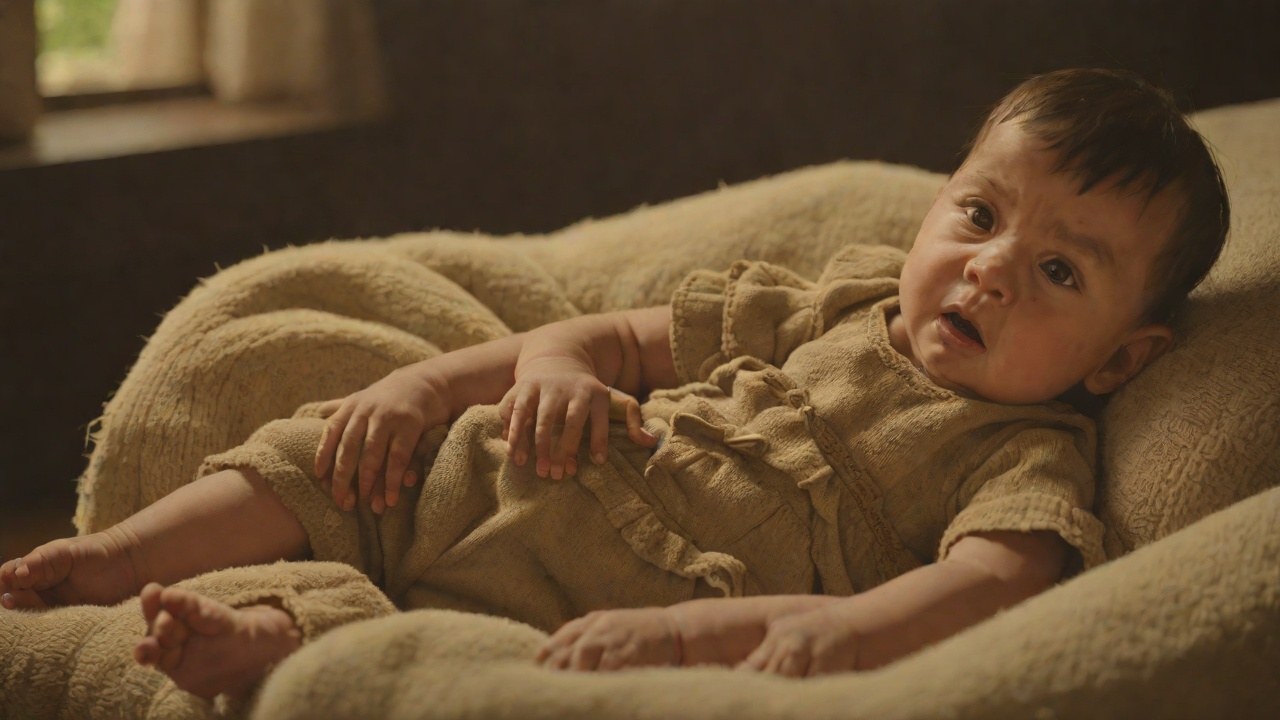
Dora the Quiet Baby
The Single-Minded Infant
Deborah was a baby with one characteristic: if she had teething to attend to, she thought of nothing else. She was quiet unless sick.
The Gray Jacket Vision
Returning from Vitebsk, Mary found Deborah in a gray jacket sitting in lamplight, personifying the fallen family state.
The Child of the Decline
Dora's sicknesses and hunger were marks of the family's ruin. She survived into a new world.
Dora Becomes an American

Dora Becomes an American
The New Name
Deborah was renamed Dora by the committee of friends. The little girl in the gray jacket began to attend school.
The Club at Hale House
Dora followed Joseph to Hale House and joined a club for little girls. The leader taught housekeeping as a way to beautify a tenement home.
A Charter of Childhood
The American school and settlement gave Dora what Polotzk could not: a free girlhood.
Celia the Unnecessary Baby
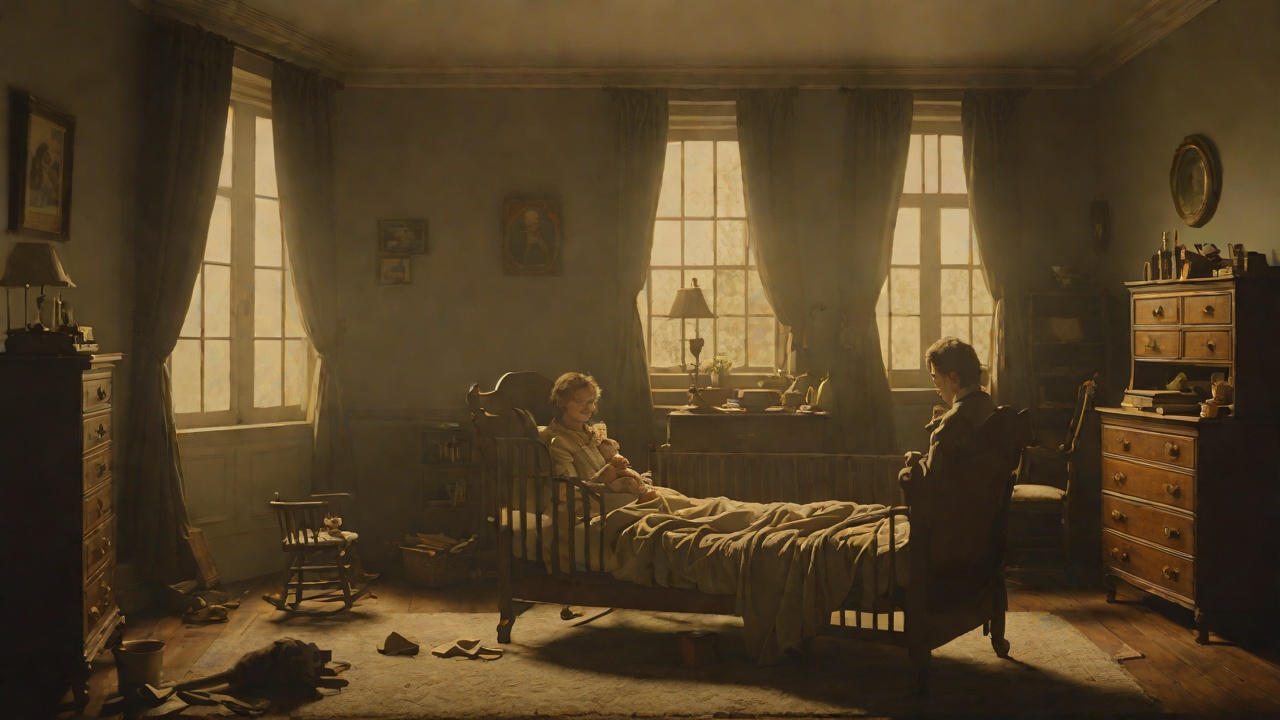
Celia the Unnecessary Baby
The Windowless Room
Celia was born in the windowless, air-tight bedroom on Mrs. Hutch's premises. Mary resented the baby one too many.
No Supplies Brought
Mary knew there was not enough to eat before the baby came, and Celia brought no supplies. She recorded her resentment in her journal.
The Child of the Slums
Despite her unwanted birth, Celia was the family's genuine American relative. She was part of the future.
Celia Poses for the Nativity
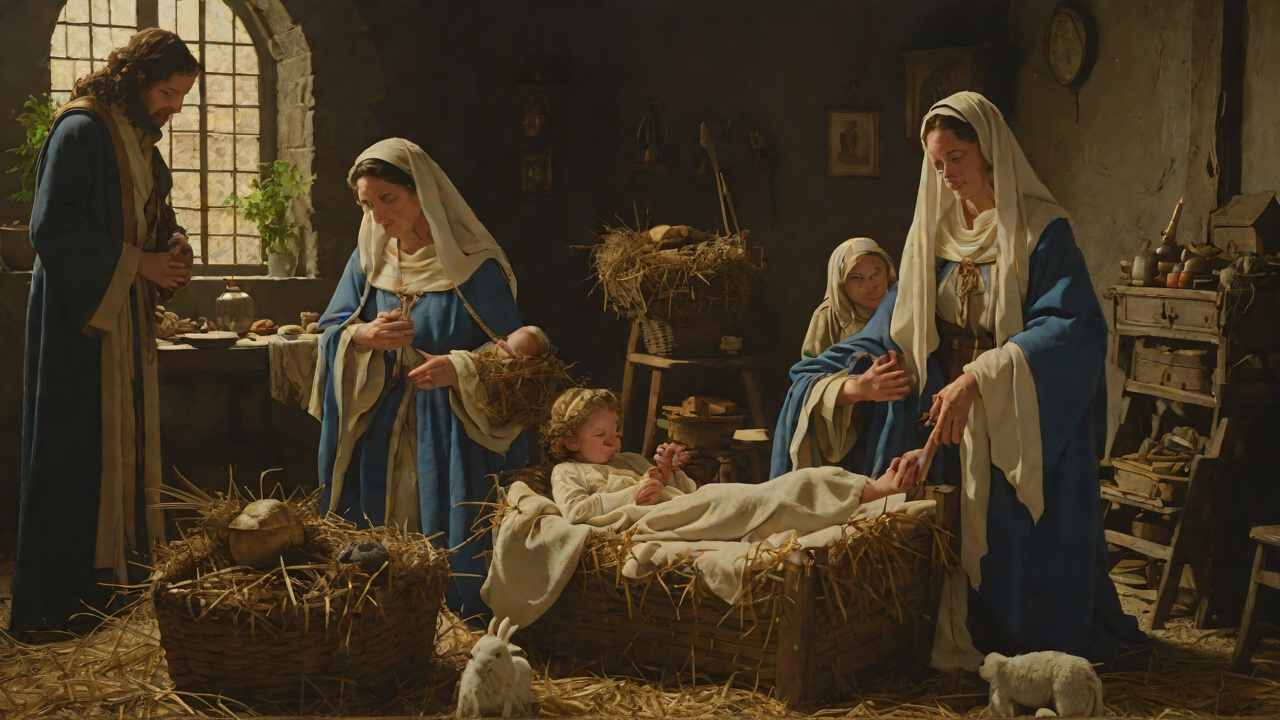
Celia Poses for the Nativity
The Jewish Christ Child
Miss Hale came to Dover Street to study the baby Celia for a painting of the Nativity. The little Jewish girl was to model for the Christ Child.
The Mother's New Freedom
Hannah Hayye no longer feared letting her child pose for a Christian picture. Half a dozen years of America had shaken off ancient superstitions.
The Altar Piece
In the end the painting was not actually from Celia, but the gesture symbolized the family's passage. The old separations were dissolving.
The Youngest Heirs
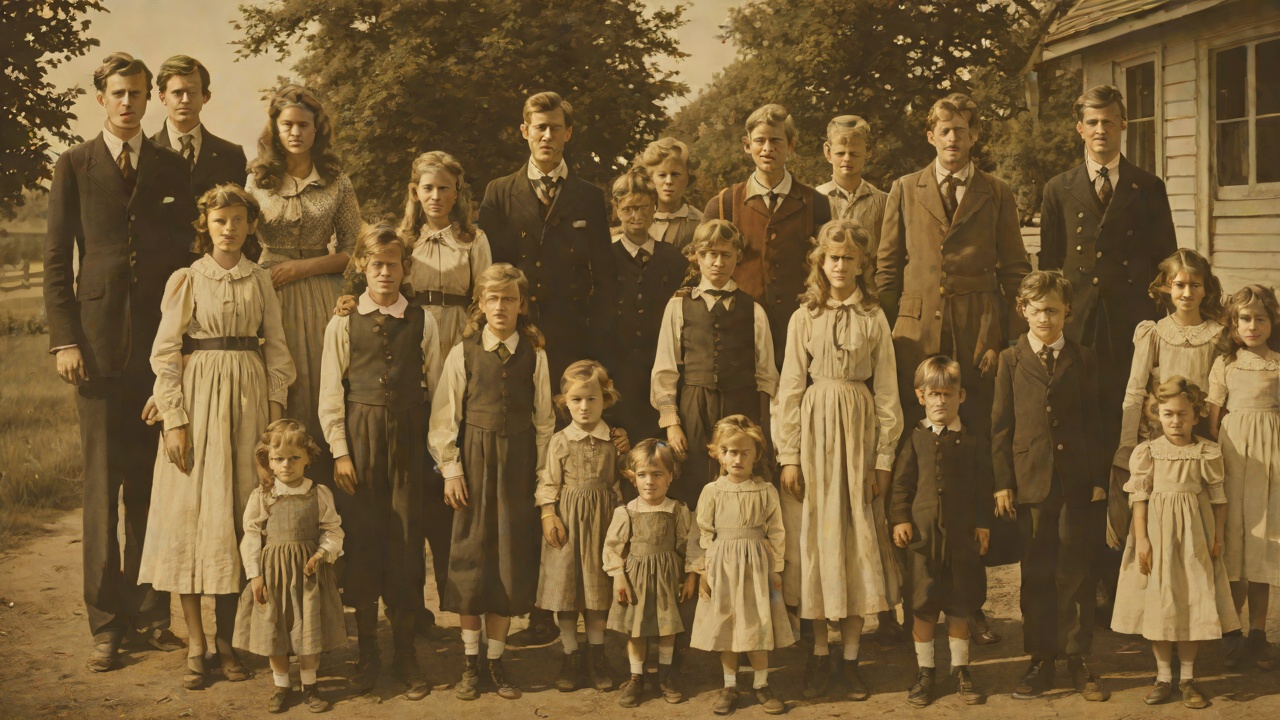
The Youngest Heirs
The Six Children
From Fetchke to Celia, the Antin children were being transformed into Americans. Each took a different path and carried the family forward.
The Baby As Relative
Celia was born an American, something valuable to the immigrant family. Dora and Joseph were already citizens in spirit.
The Heritage Received
The youngest children inherited the promise their father had glimpsed. They would not bow to the yoke as low as their parents.
early childhood in Polotzk
after the family landed in Boston
born on Dover Street
during the Dover Street years
the later American years
